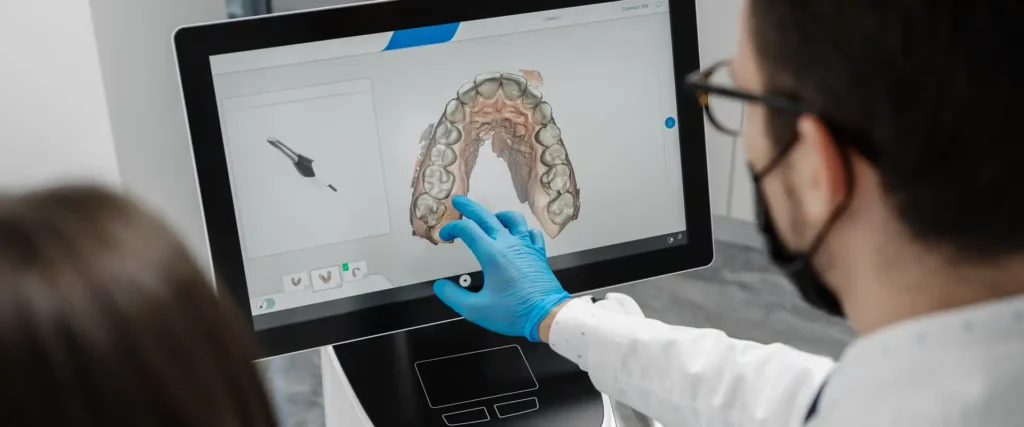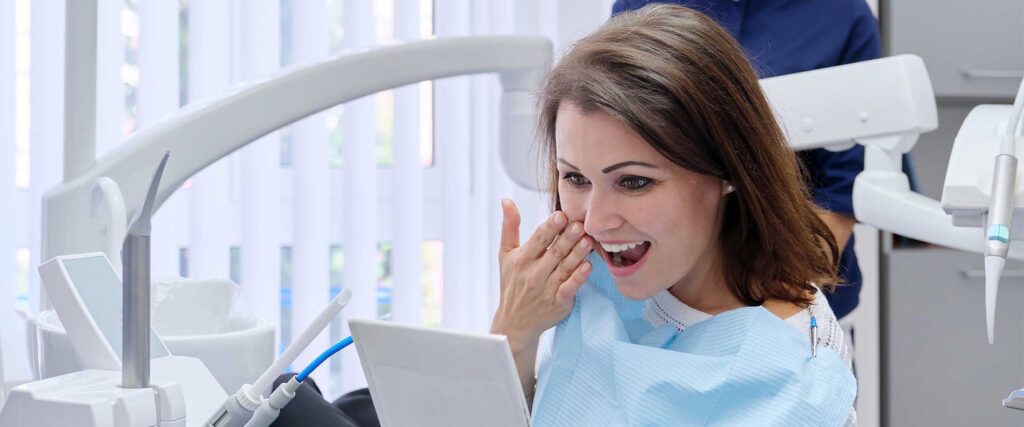

Once you visit Dr. Tripti Pawar and our experienced team for your complimentary consultation, you’re one major step closer to the smile you’ve always dreamed of. Congratulations!
Whether you choose metal braces, clear braces, InBrace (hidden) braces, WildSmiles® Disney-themed brackets or Invisalign® clear aligners, life with braces is a mild adjustment. It can sound overwhelming before you get started, but we promise that orthodontic treatment is not complicated, and the process is incredibly rewarding!
Your friends at Greater Northwest Orthodontics are here to help you prepare for your first week with 3 essential tips for new braces wearers.
1. Create a braces comfort plan.
While everyone’s experience is different, it’s common to feel some tenderness around your teeth and gums during the first week with braces. Your teeth aren’t used to the pressure of your brackets and wires yet, so it can feel strange to suddenly have braces on your teeth 24/7!
How long do braces hurt when you first get them? In most cases, discomfort goes away after the first week with braces. Keep in mind that any discomfort you experience is temporary.
Be sure to have some orthodontic wax (dental wax) on hand. You can find ortho wax online and at most drugstores, like CVS. Ortho wax can be broken into pieces and placed on parts of your braces or clear aligners to provide a cushion for your cheeks or tongue.
Orajel™ is another helpful resource! It’s a topical gel medication that uses benzocaine (a local anesthetic) to numb the gums. Orajel works by blocking nerve signals in the body and temporarily desensitizing the mouth.
Tylenol can also help to alleviate soreness during the first week. If you’re still experiencing discomfort after the first two weeks with braces, please let us know and we will find a solution.
2. Fill your fridge with braces-friendly food options!
Soft foods are here to comfort you during your first week with braces! Soft snacks and cold foods can be soothing on the gums and are much easier to eat while your mouth adjusts to braces. Stock up on any of these food items:
- Mashed potatoes
- Mac ‘n’ cheese
- Soup
- Tender cuts of meat, like soft-cooked chicken
- Soft sandwiches
- Pancakes
- Yogurt
- Smoothie ingredients
- Bread for making toast
- Pasta
- Eggs (hardboiled, scrambled, etc)
- And ice cream of course!
Knowing what to eat with braces the first week depends on your own personal experience. If you’re ready to move back into harder foods after a few days, then more power to you! You decide when you’re ready to reintroduce all of the braces-friendly foods to your fridge.
Throughout your treatment, it’s best to avoid hard candies, nuts, and other hard, crunchy foods that could damage your braces. One of the best tips for new braces wearers is to get creative with your palate!
3. Keep your end goal in mind.
Remember the beautiful, healthy smile you’re working toward! Any inconveniences you experience with orthodontic treatment are temporary, and your new smile will be yours to enjoy for a lifetime. Before you know it, you’ll be well into your treatment process and life with braces will be your new normal.
By keeping your end smile goals in mind, you’ll be more motivated to care for your braces properly and maintain great oral hygiene.
Your hard work will pay off!
Though the first week with braces requires some minor lifestyle changes, you’ll quickly realize how rewarding the process is!
Some patients start to notice improvements in their teeth after only a few weeks of having braces. If you still have questions, please don’t hesitate to reach out to us. Our team is here for you, and we want to make your experience a positive one.
If you’re looking for an Issaquah orthodontist, we’d love to meet you and help you find your perfect smile! Take the first step today by requesting a complimentary consultation with Dr. Tripti Pawar and our experienced team.