
Choosing the right orthodontic treatment for your child is a big decision. As a parent, you may be wondering: What age should my child see an orthodontist? Can kids get Invisalign instead of braces? How do I know if my child even needs treatment yet?
At Greater Northwest Orthodontics, Dr. Tripti Pawar, a board-certified orthodontist, helps families throughout Issaquah and Sammamish understand their child’s orthodontic needs early, often before all of their permanent teeth have erupted.
Whether your child may benefit from Invisalign First, braces, or simply monitoring their smile as they grow, our caring team is here to guide you every step of the way.
When Should My Child First See an Orthodontist?
You don’t have to wait until your child is a teenager to schedule their first orthodontic visit. According to the American Association of Orthodontists (AAO), children should have their first orthodontic evaluation by age 7.
At this age, your child has a combination of baby teeth and permanent teeth, allowing Dr. Pawar to evaluate how their teeth, jaws, and bite are developing.
Early evaluations help identify concerns before they become more complex and allow us to recommend treatment at the ideal time.
The good news? Many children won’t need treatment right away. Sometimes the best recommendation is simply to monitor growth until the timing is right.
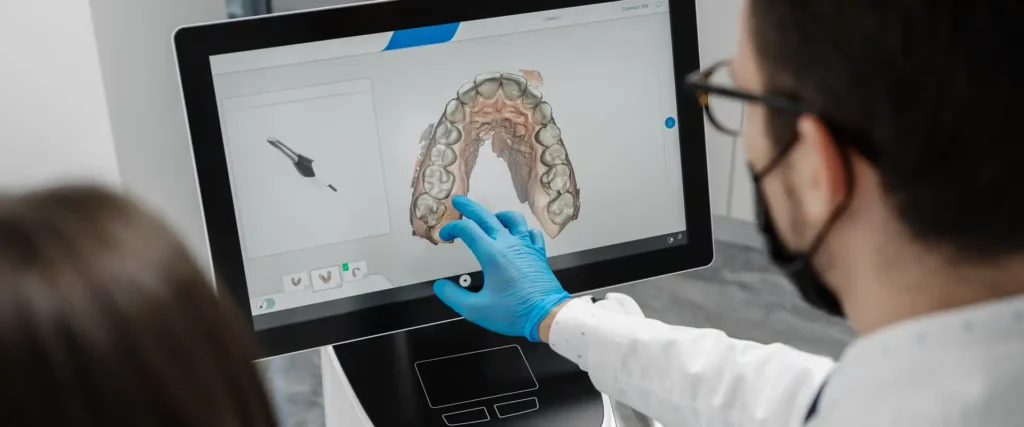
During your complimentary consultation, Dr. Pawar will perform a comprehensive orthodontic evaluation, answer all of your questions, and discuss whether Invisalign First, braces, or observation is the best next step for your child’s smile.
Can Kids Get Invisalign Instead of Braces?
Absolutely! Many parents are surprised to learn that Invisalign isn’t just for teens and adults.
Invisalign First was designed specifically for younger children whose smiles are still developing. It works during Phase 1 orthodontic treatment to help guide jaw growth, create space for incoming permanent teeth, and address developing bite concerns before they become more significant.
Invisalign First can help:
- Create space for permanent teeth as they erupt
- Correct certain bite problems
- Guide healthy jaw development
- Address crowding early
- Reduce the need for more complex treatment later
That said, Invisalign does require responsibility. Since aligners are removable, children need to wear them for 20 to 22 hours each day for treatment to stay on track. If your child isn’t quite ready for that responsibility, braces may be the better option.
At Greater Northwest Orthodontics, we’ll help you choose the treatment that best fits your child’s smile, personality, and lifestyle.
Invisalign Palatal Expander for Kids
For some children who need additional expansion, Dr. Pawar may recommend the Invisalign Palatal Expander, an innovative, removable alternative to a traditional palatal expander. This modern appliance is custom-made using advanced digital technology and works alongside Invisalign First to help create space for developing teeth while supporting healthy jaw growth.
How Old Do You Have to Be for Invisalign First?
There isn’t one specific age that’s right for every child. Instead, treatment depends on your child’s dental development.
Many children begin Invisalign First between ages 6 and 10, while they still have a combination of baby and permanent teeth.
Here’s a general guide:
Ages 6–10
During this stage, Invisalign First can:
- Create room for incoming permanent teeth
- Correct developing bite problems
- Guide healthy jaw growth
- Help reduce crowding before it worsens
Ages 11–17
Once most or all permanent teeth have erupted, Invisalign can continue correcting crowded teeth, spacing issues, and bite problems just like traditional braces.
The best way to know whether your child is ready is with a personalized orthodontic evaluation.
How Much Do Braces or Invisalign for Kids Cost?
Every smile is unique, so the cost of treatment depends on your child’s individual needs.
During your complimentary consultation, we’ll explain your child’s recommended treatment plan, review all costs upfront, and create a payment option that works comfortably for your family.
We proudly offer:
- 0% interest in-house financing
- Flexible monthly payment plans
- Acceptance of most insurance plans
- Medicaid at our Issaquah office
- Family, military, teacher, first responder, and healthcare professional discounts
Many dental insurance plans include orthodontic benefits, and our knowledgeable team is happy to help maximize your coverage and handle the paperwork for you.
Investing in early orthodontic treatment can often help prevent more complicated orthodontic problems as your child grows.
Is Invisalign Better Than Braces?
One of the most common questions parents ask is “Is Invisalign better than braces?”
The truth is that both treatments are excellent options. The right choice depends on your child’s orthodontic needs, lifestyle, and ability to consistently wear aligners.
Dr. Pawar will carefully evaluate your child’s smile and recommend the treatment that will provide the healthiest, most predictable result.
Benefits of Braces
Traditional braces remain one of the most effective ways to straighten teeth and correct bite problems.
Some advantages include:
- Effective for simple and complex orthodontic cases
- Work 24/7 without relying on patient compliance
- Great for children who may lose or forget removable aligners
- Fun customization with colorful elastic bands
Greater Northwest Orthodontics also offers several types of braces, including traditional metal braces, clear braces, Iconix® champagne-gold braces, and WildSmiles® designer braces with unique-shaped brackets that kids love!
Benefits of Invisalign First
Many children and parents love Invisalign because it’s comfortable, discreet, and flexible.
Benefits include:
- Nearly invisible appearance
- No food restrictions
- Easy brushing and flossing
- Comfortable custom-made aligners
- Virtual treatment monitoring for many patients, reducing the number of in-office visits
- Designed to work with your child’s growing smile
For many busy families, virtual care makes Invisalign even more convenient by allowing progress to be monitored remotely between appointments.
How Long Does Orthodontic Treatment Take?
Every child’s smile develops differently, so treatment times vary.
In general:
- Braces: Approximately 18–24 months
- Invisalign: Approximately 18–24 months, depending on aligner wear
Some children benefit from Phase 1 orthodontic treatment, which focuses on guiding jaw growth and correcting developing issues while they’re younger.
Later, after most permanent teeth have erupted, they may complete a shorter second phase of treatment to fine-tune their smile.
Early treatment isn’t recommended for every child, but when it’s appropriate, it can make future orthodontic treatment simpler and more predictable.
How Do We Decide Which Treatment Is Right for My Child?
Every child is different, which is why there isn’t a one-size-fits-all answer.
When recommending treatment, Dr. Pawar considers:
- Your child’s age and growth
- Jaw development
- Bite alignment
- Tooth eruption
- Lifestyle
- Ability to wear aligners consistently
- Long-term smile goals
As a locally owned, women-owned orthodontic practice, Greater Northwest Orthodontics takes pride in providing personalized care that puts your child’s needs first. We’ll take the time to answer every question so your family feels confident moving forward.
Debunking Myths About Orthodontic Treatment for Kids
Let’s separate fact from fiction.
- Myth #1: My child should wait until all adult teeth come in before seeing an orthodontist.
- Fact: Early evaluations around age 7 allow orthodontists to identify developing concerns and determine the ideal time for treatment, even if treatment isn’t needed yet.
- Myth #2: Invisalign is only for teenagers and adults.
- Fact: Invisalign First was specifically designed for younger children whose smiles are still growing and can successfully treat many Phase 1 orthodontic concerns.
- Myth #3: Braces always work better than Invisalign.
- Fact: Both braces and Invisalign can produce outstanding results. The best option depends on your child’s individual orthodontic needs and treatment goals.
- Myth #4: Orthodontic treatment is only about having straighter teeth.
- Fact: A healthy bite can improve chewing, make teeth easier to clean, support proper jaw development, and contribute to long-term oral health, not just a beautiful smile.
Schedule Your Child’s Complimentary Consultation
Whether your child is ready for treatment now or simply needs an orthodontic evaluation, starting early gives you the information you need to make the best decisions for their future smile.
At Greater Northwest Orthodontics in Issaquah and Sammamish, WA, Dr. Tripti Pawar and our caring team proudly help families find personalized orthodontic solutions using the latest technology and a patient-first approach.
Whether your child is a candidate for Invisalign First, the Invisalign Palatal Expander, braces, or simply needs us to monitor their smile as they grow, we’ll be with you every step of the way.
Schedule your child’s complimentary consultation today and take the first step toward helping them find their perfect smile.